

 why?
why?


Recursion
taught · checked · re-taught · recalled
keep going →
You read it.
That's not the same as knowing it.
Most material feels understood right up until something asks you to use it.
Recursion is when a function calls itself.
function calls itself
same thing again
eventually stops
A recursive function reaches its base case. What happens next?
Knowing about it was only the beginning.
If I don't fully understand it — where exactly is the missing piece?
Most tools stop at the explanation. This is what Vectra does instead.
The failure is not the learner's. A correct explanation can still be the wrong explanation for one person, and the only way to find out is to watch what happens when it lands wrong.
01 · FIRST EXPLANATION
Recursion is when a function calls itself. Each call gets its own copy of the local variables, and the calls unwind back up once the base case returns.
That is correct. It is also the explanation almost every learner already got.
The move above is generated by the same adaptation policy that runs during a lesson. Today it is Vectra's default for this kind of failure; once it has taught you, it reflects what has worked for you.
Not what you got wrong.
Where.
Most of it is already there. Vectra finds the connection that's keeping the rest from holding.
hover or tap a node. Locking is the broken connection.
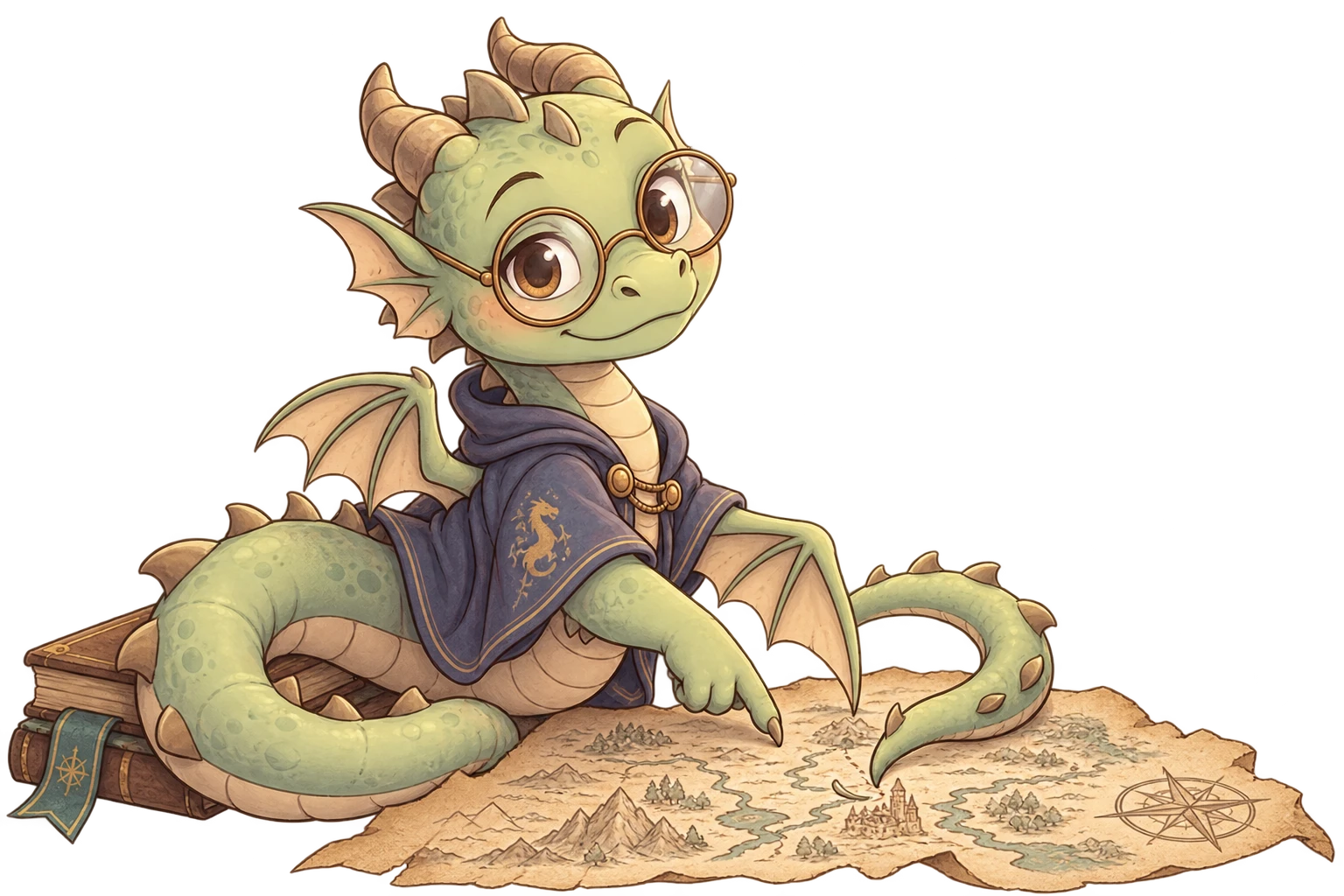
Now it has somewhere to start.
Let's look at it another way.
Vectra changes the shape of an explanation until the idea has somewhere to land.
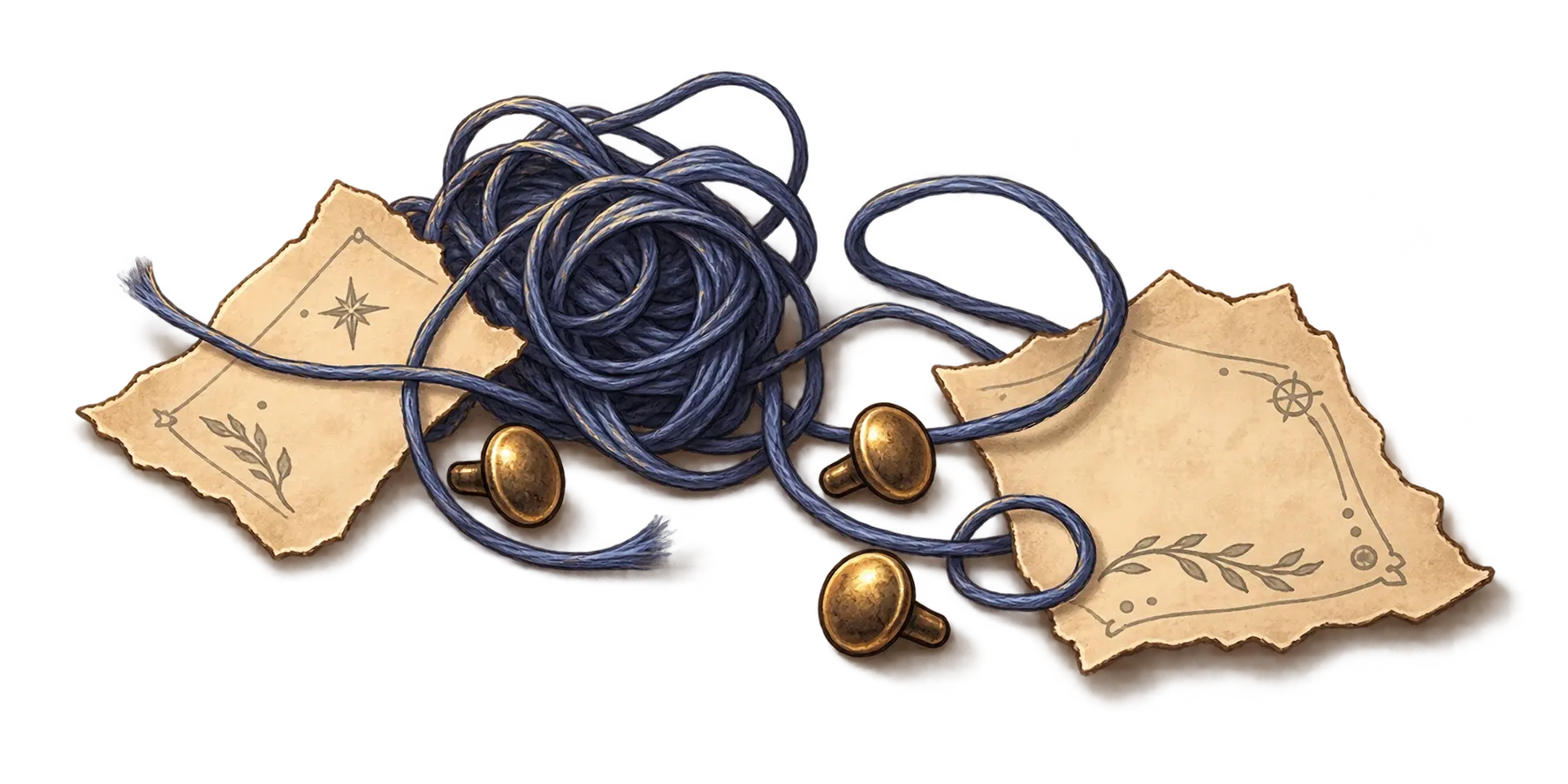
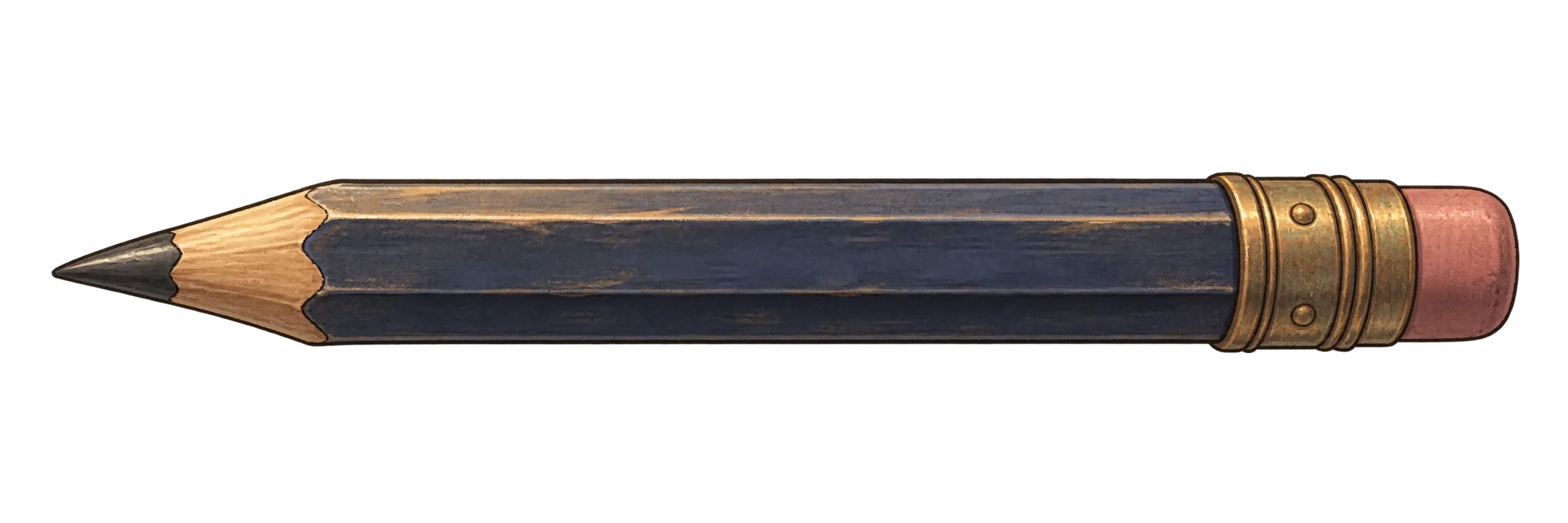
A recursive function calls itself, then calls again — until something tells it to stop.

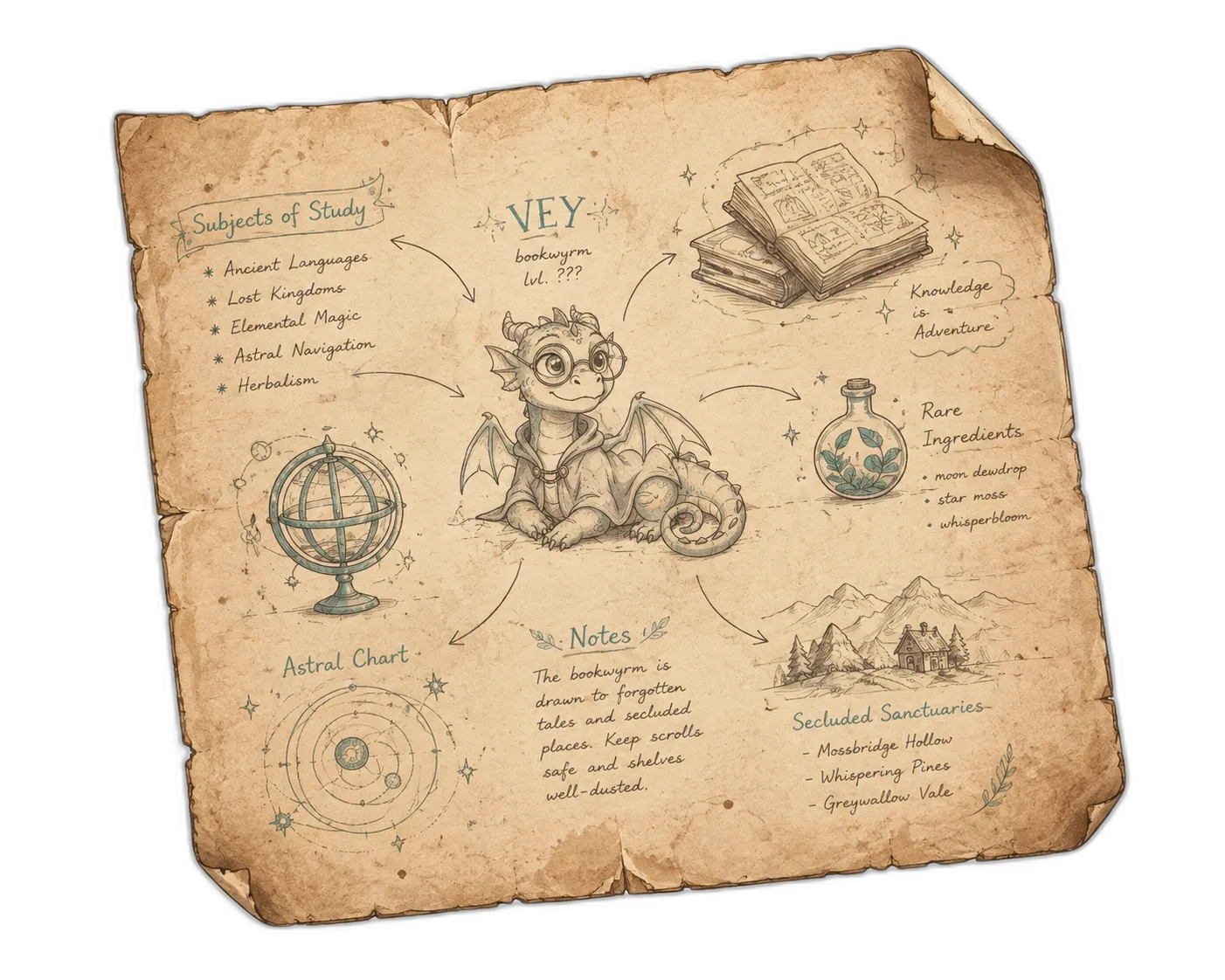
Vectra writes the idea on the page. Look closer when you are ready.
Now use it.
A new problem.
The same idea.
Nothing carried over but what you understood.
Now use it.
Not that way. Try this.
The first explanation didn't land. That's allowed. Vectra doesn't repeat it louder — it teaches it differently.
function mystery(n) {
  if (n === 1) return 1
  return n + mystery(n - 1)
}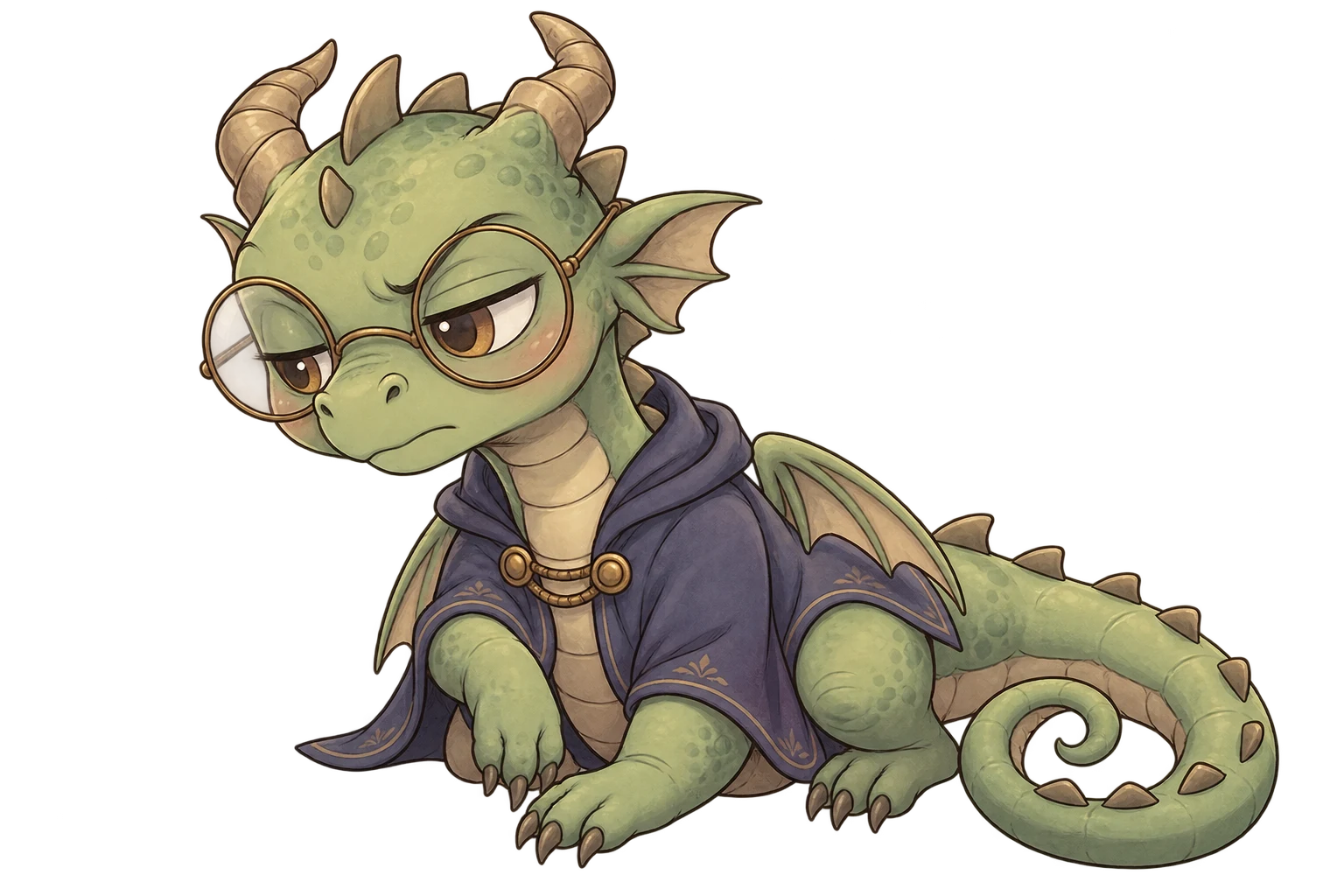
The first explanation didn't land. Vectra changes course.
The lecture before the lecture.
Every new idea quietly stands on older ones. Vectra maps exactly which — and checks them first, because a gap down here is why a new lecture up there won't land.
What returns, stays.
Knowing fades on a schedule. Vectra schedules the return before the fade — quietly, while you get on with your life.
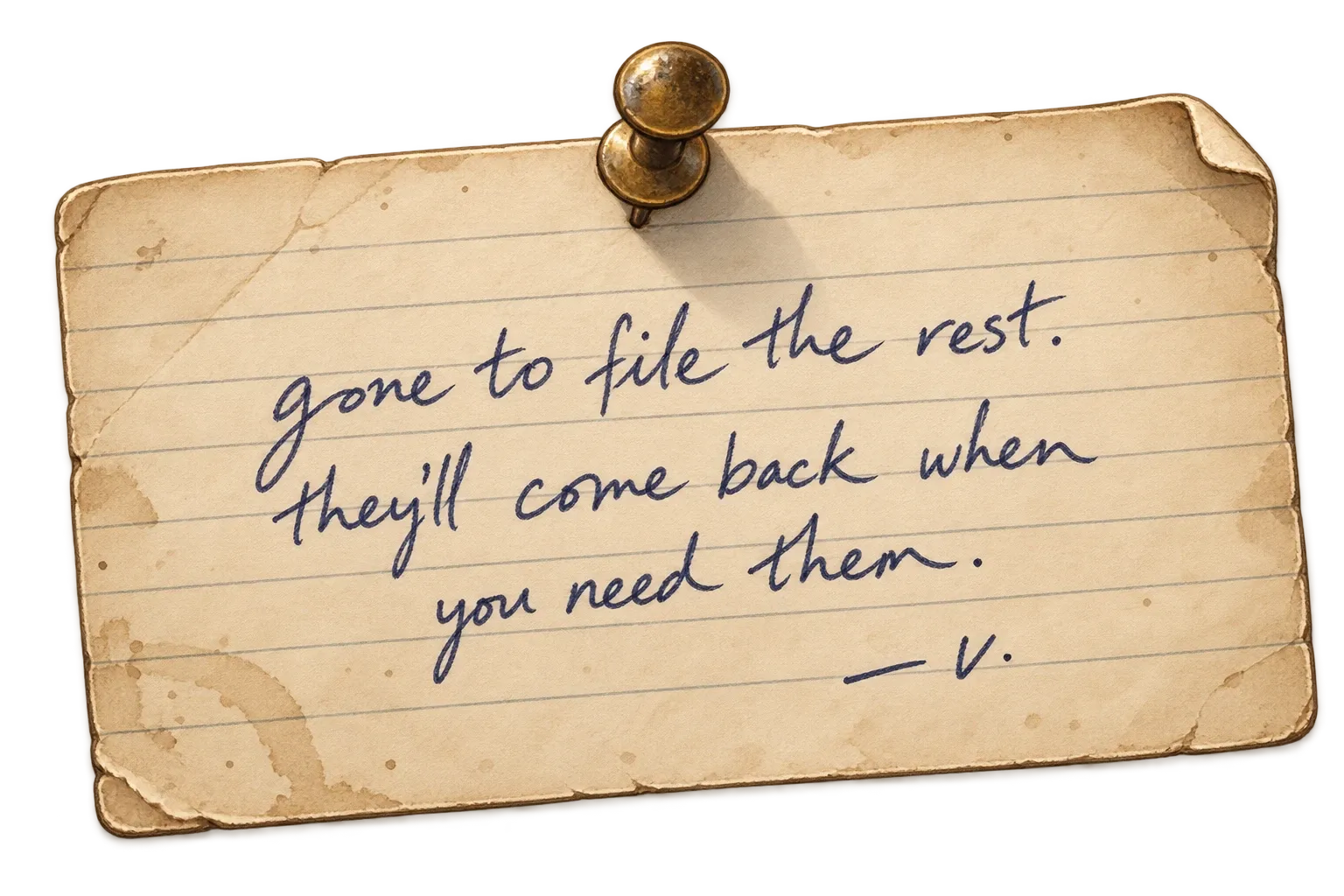
returned 0 of 2 due cards.
Use it cold. No hints, no notes — the same problem wearing different clothes.
Somewhere it doesn't belong. If the idea survives the move, it's yours.
The recall ledger. Two cards are due today. Pull them before they fade.
You can actually do the thing.
The tests returned. The cards marked. The thread followed to its end.
Everything you learned is still here. Everything you skipped — Vectra checked it first.
tests returned
✓
the file holds what you proved
cards marked
returned
the schedule kept running
thread followed
→
the prerequisites all connected

The journey complete. All artifacts accumulated.
Now, watch it think.
Give Vectra something you think you know. It checks what you can actually use, finds where the understanding breaks, and teaches from there.
Give Vectra something you think you know.
pick one — see where your understanding breaks.
Guided product walkthrough. No account required.
Four gates stand between understanding and mastery.
People are trying to understand these. In their own words.
Each page below opens with a real sentence someone typed into a search box or a forum, then does the thing a search result usually does not: it makes you predict the answer before it shows you.
What am I missing?
None of the pages above? Answer two questions about what you are stuck on and see which prerequisite Vectra would check first. It is a pre-screen, not a diagnosis — it runs before you have an account, so it tells you which layer to look at, not what you got wrong.
There are three pages here, not thirty. They came out of a corpus of 10,177 collected public items filtered to 2,076 real learning problems, and the next twelve stay unselected until the search-demand research reports.
Evidence-first
Mastery requires 4 independent gates. A self-rating alone can never unlock a concept.
Powered by Polar
Payments are handled by Polar (Merchant of Record). Vectra never touches your card details.
Cancel anytime
No questions asked. If it hasn't helped you learn, you haven't paid for it to try.